Below the membrane
Wet insulation, damaged deck, thermal upgrades and changes in slope affect material and labor.

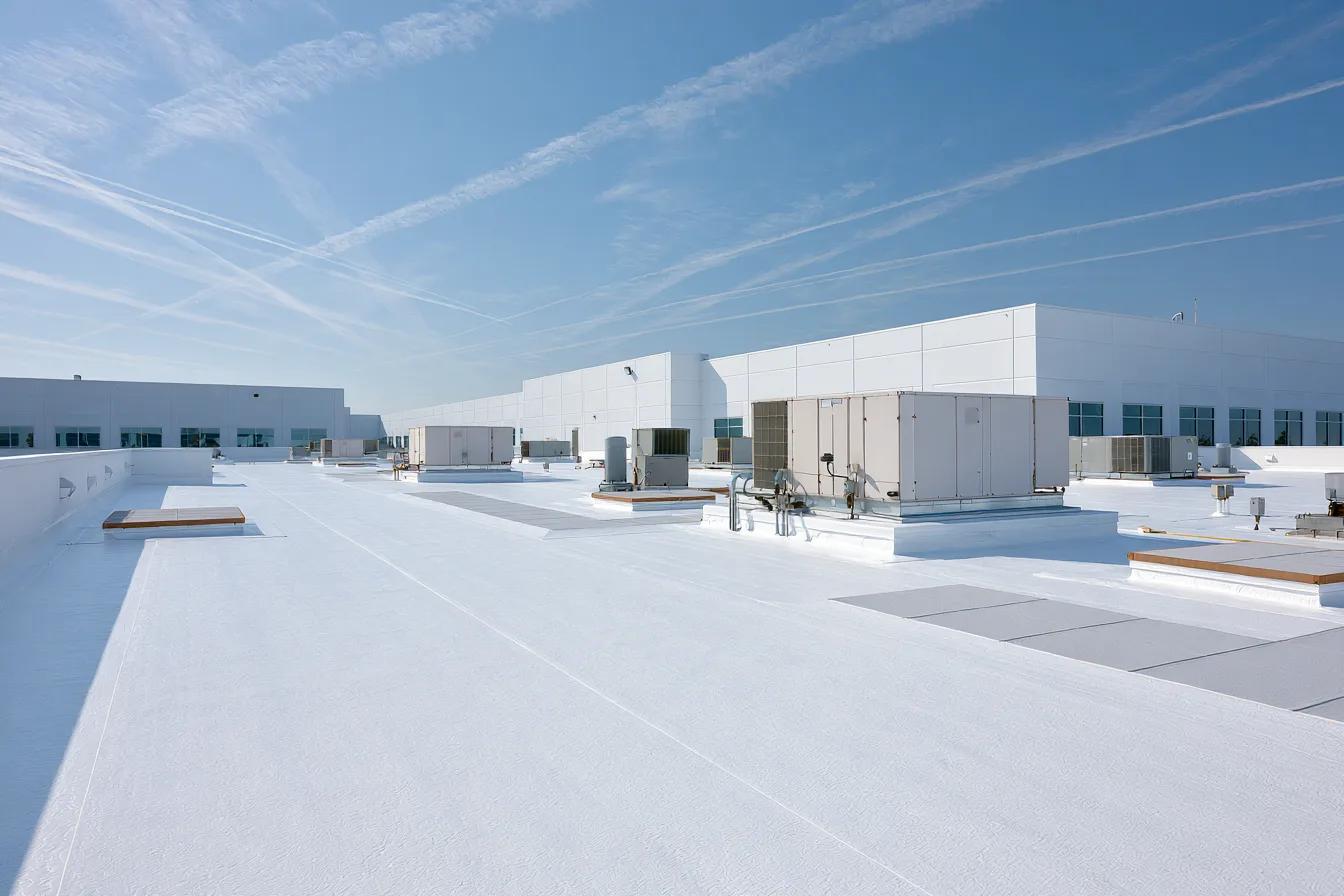
When wet layers, widespread failure or an unsuitable existing assembly put repair out of reach, replacement needs to solve the roof and protect the building operation beneath it.
Free roof inspections. Repairs, replacements and commercial roof help.
The existing system needs to be understood before a new one is selected. Membrane type, number of layers, insulation condition, deck and attachment all affect tear-off and replacement. Moisture investigation helps define what can remain and what needs removal.
An overlay can conceal a damaged assembly. A recover is only an option when the existing roof and proposed system satisfy condition, code, loading and manufacturer requirements. A roof with unsound or saturated layers needs those conditions resolved.
Discuss the replacement scope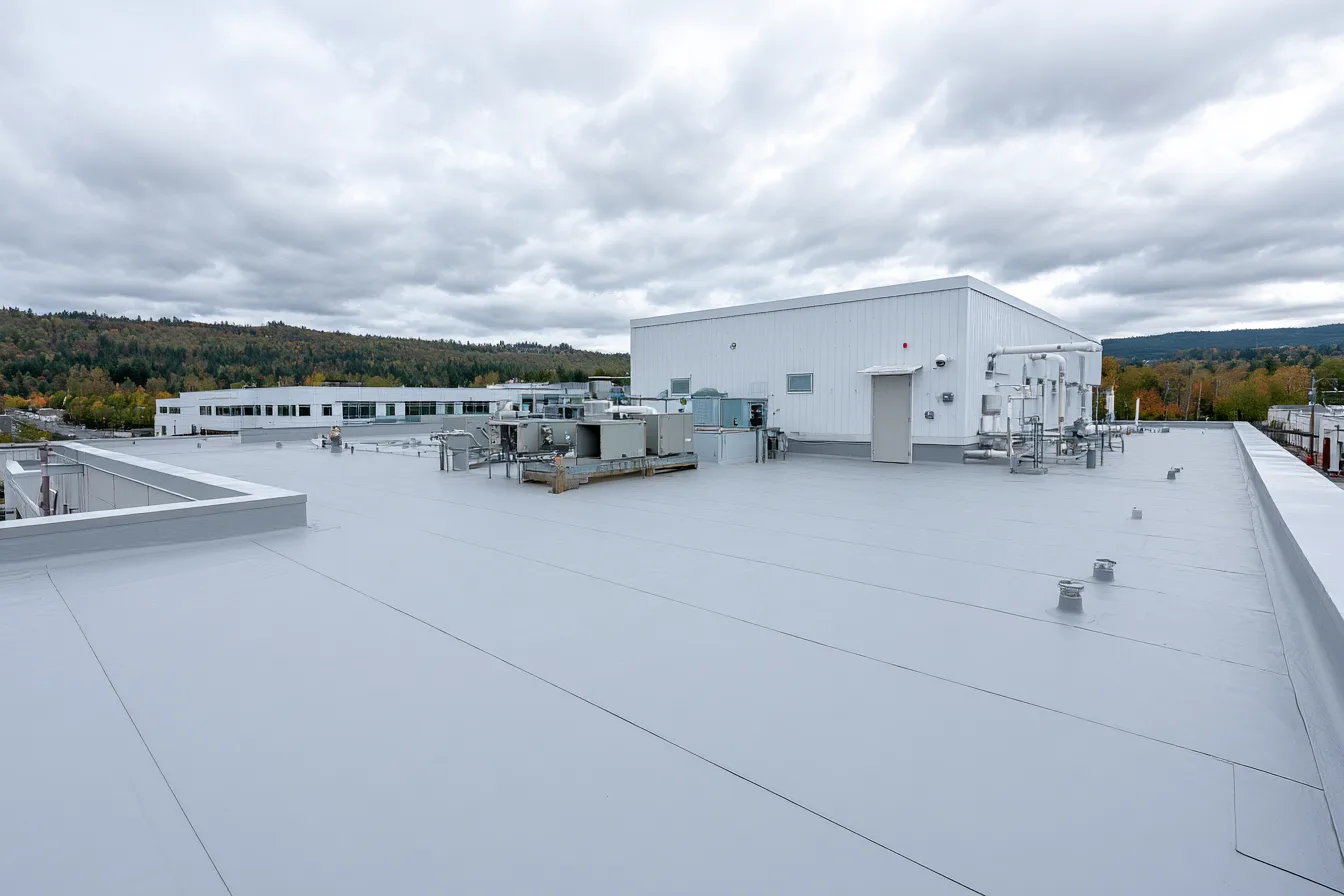
The open field, details and drainage form one assembly.
| Work area | Decision in the scope |
|---|---|
| Removal and deck | Layers to remove, disposal access, exposed deck repair and attachment suitability. |
| Insulation and cover board | Thermal performance, moisture condition, substrate preparation and the selected membrane base. |
| Drainage | Drain/scupper levels, overflow provisions and tapered layout where required. |
| Membrane, edges and curbs | Attachment, seams, flashings, perimeter metal and rooftop-equipment details. |
| Temporary protection | Daily work areas, weather exposure and dry-in needs for the building below. |
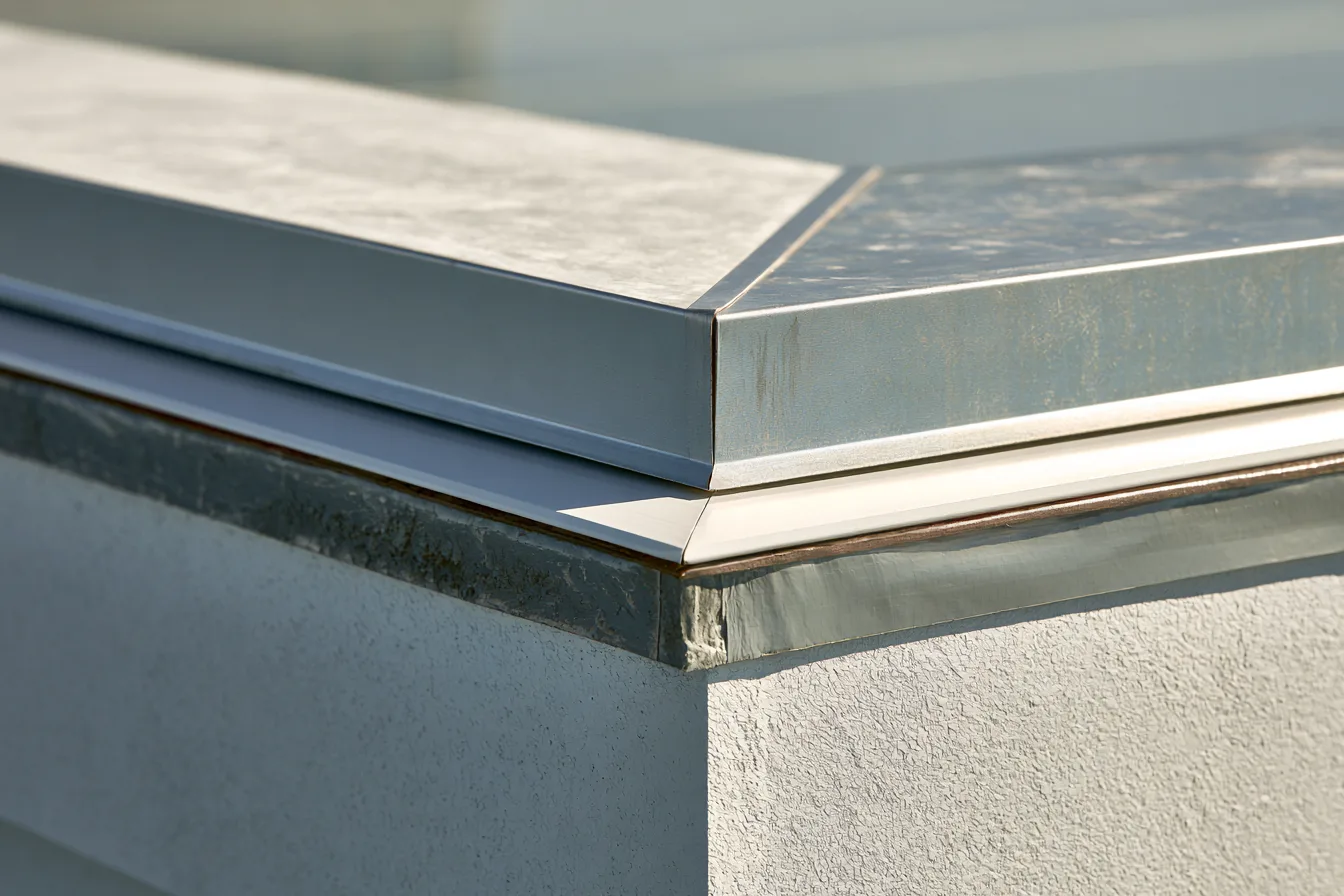
The building’s use informs how work is phased and reached.
Account for deliveries, tenant entrances, vehicle areas, roof equipment and material loading.
Define work areas and temporary protection with the selected system and conditions. A schedule depends on scope, weather and access.
Curbs, mechanical equipment and service routes need coordination so later work does not undo the new roof details.
The completed system, care requirements and actual warranty terms support the owner’s future roof planning.
A meaningful budget must follow the building-specific assembly.
Wet insulation, damaged deck, thermal upgrades and changes in slope affect material and labor.
Numerous curbs, penetrations, edge details and drain changes add work beyond open area.
Occupied use, constrained access, staging and temporary protection influence project sequencing and cost.
The moisture condition, code, attachment and selected assembly determine what insulation can remain or must be replaced. A new membrane cannot restore saturated material.
Yes, when the proposed assembly suits the deck, attachment, building use, drainage and applicable requirements. Changing membrane type involves more than a color change.
Phasing depends on roof geometry, system transitions, building use and temporary protection. The assessment needs to establish workable boundaries rather than assuming every roof can be split the same way.
Tell us how the building is used and what has changed on the roof. Start with a free inspection.
Liberty Roof Pros