Repair the isolated defect
Sound decking, compatible material and workable adjoining shingles make a local repair practical. A small leak can still need more work if damage has spread below the surface.

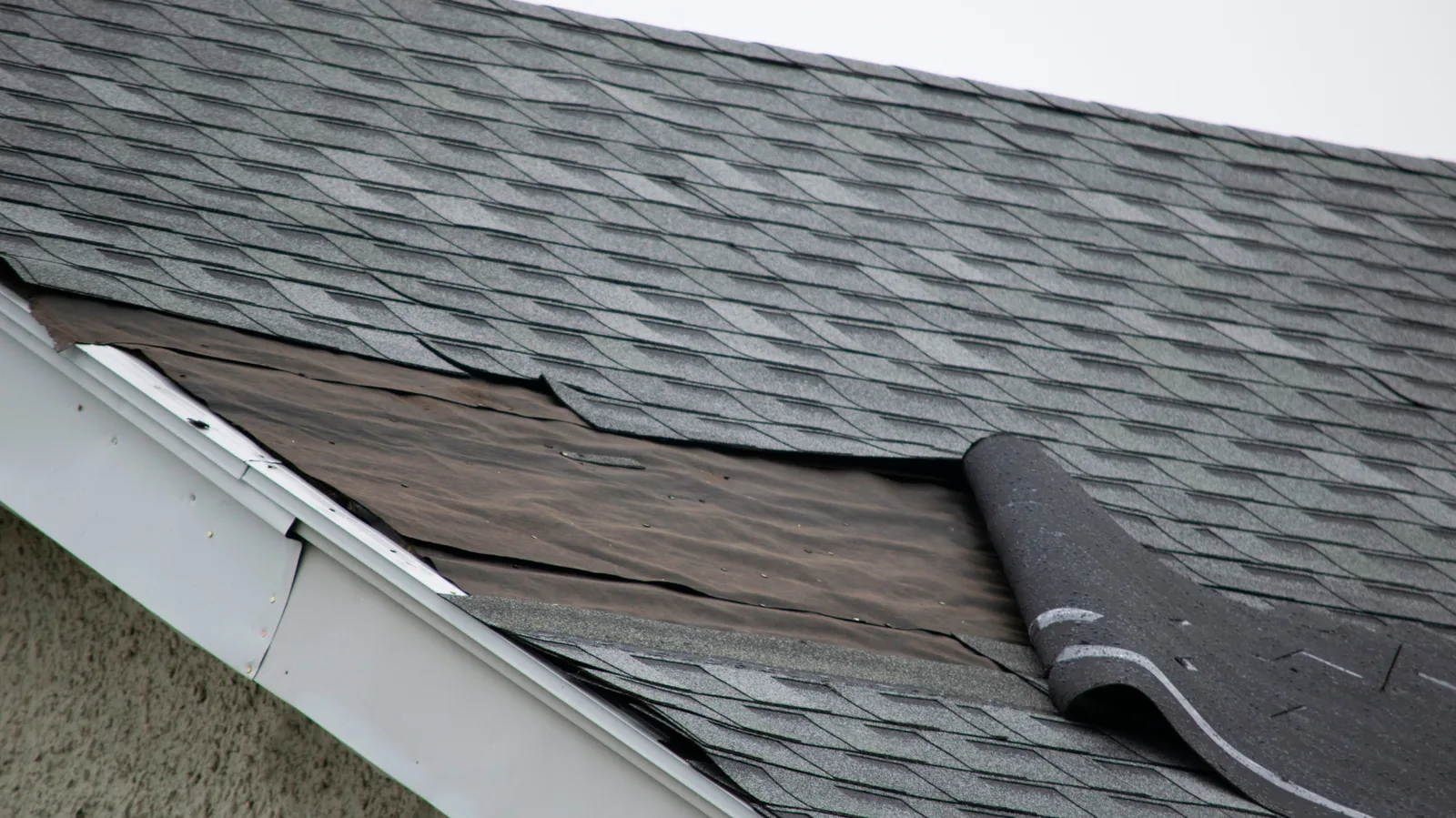
A ceiling stain, loose shingle or drip around a chimney needs a repair that deals with the opening. We trace the roof problem before deciding how much work it needs.
Free roof inspections. Repairs, replacements and commercial roof help.
Water can enter near a flashing joint, run along the deck and drip into a room farther down the slope. We check the covering as well as the connections around vents, walls, chimneys and valleys. The indoor location is a starting point, not a diagnosis.
A split rubber pipe boot leaves a gap around the pipe. Loose step flashing exposes the joint between a wall and each shingle course. A fastener hole or damaged shingle can admit water too. Repairing the actual path keeps the work focused.
Tell us where the leak appears
The repair needs to connect to roofing that can still do its job. The defect and surrounding condition set the extent.
| Finding | Work it can involve | What changes the scope |
|---|---|---|
| Damaged shingles | Remove the affected units and install compatible replacements with correct fastening and sealing. | Brittle adjoining shingles, limited product compatibility or damage across a larger slope. |
| Vent or wall flashing failure | Replace or rebuild the failed connection so it sheds water over the roof covering. | Deteriorated decking, wall damage or a penetration that needs a larger reconstruction. |
| Damaged decking | Remove enough covering to replace unsound wood and rebuild the layers above. | Wider moisture damage, structural concerns or multiple leaking areas. |
A useful repair preserves a roof that has serviceable material around the defect. A growing series of patches needs a wider look.
Sound decking, compatible material and workable adjoining shingles make a local repair practical. A small leak can still need more work if damage has spread below the surface.
Widespread brittleness, repeated failures in different places or substantial deck deterioration can make replacement worth considering alongside repair. Roof age adds context but does not identify the leak source.
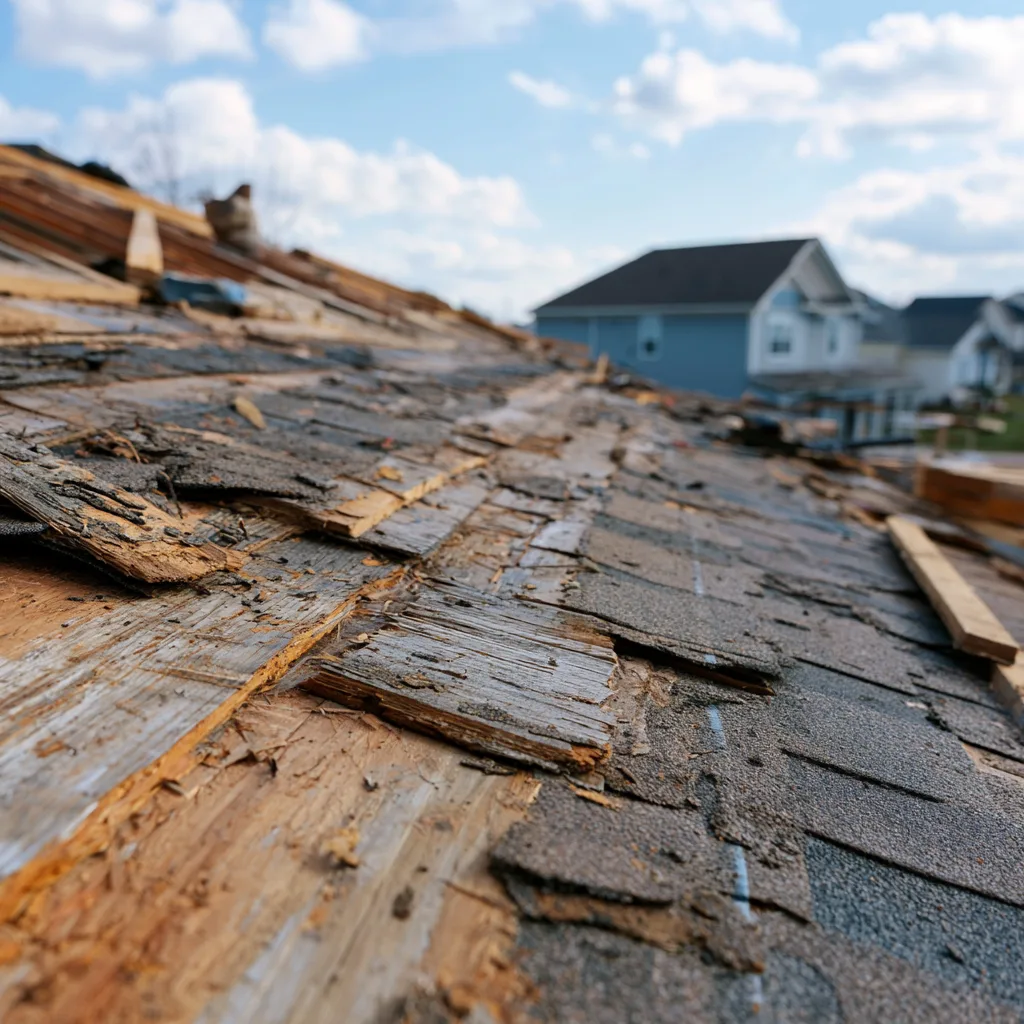
The work follows what is found at the roof, with any changed scope explained before it becomes permanent work.
A roof walk where safe examines the defect, nearby materials and water-shedding connections.
The scope identifies the area to open, materials to replace and connections that must be rebuilt. Temporary protection is a separate step when needed.
Unsound material is removed, the repair ties into sound layers and the affected flashing and edges are addressed. Concealed damage can change the work after opening.
A repair price follows the work, rather than the stain size. No single repair rate fits a boot replacement, a chimney flashing rebuild and deck reconstruction.
| Cost driver | Why it matters |
|---|---|
| Access | Height, pitch and staging change the time needed to reach and work at the defect. |
| Materials and matching | A repair needs compatible units and connections, not simply a close color. |
| Hidden damage | Wet or decayed wood beneath the covering adds removal and reconstruction. |
Yes, when the adjoining shingles remain workable, compatible replacements fit and the repair connects to sound decking and flashing. If surrounding material breaks during a proper repair, the scope needs reconsideration.
Sealant alone does not rebuild a failing flashing system. The repair needs to address how step flashing, counterflashing and the roof layers overlap. Masonry defects can also contribute and need their own scope.
Water entering the roof can wet wood and insulation before the interior stain grows. Call about the leak and say if water is coming in now. Keep clear of electrical fixtures and sagging ceilings.
Tell us the room or roof area involved and what you have noticed. A free inspection helps establish the repair the roof needs.
Liberty Roof Pros